
Humanin: A Mitochondrial Peptide Primer
Humanin is a mitochondrial-derived peptide that has been studied for its protective effects on cells, particularly in reducing oxidative stress and promoting longevity. It shows potential in protecting against age-related diseases and promoting overall cellular health.
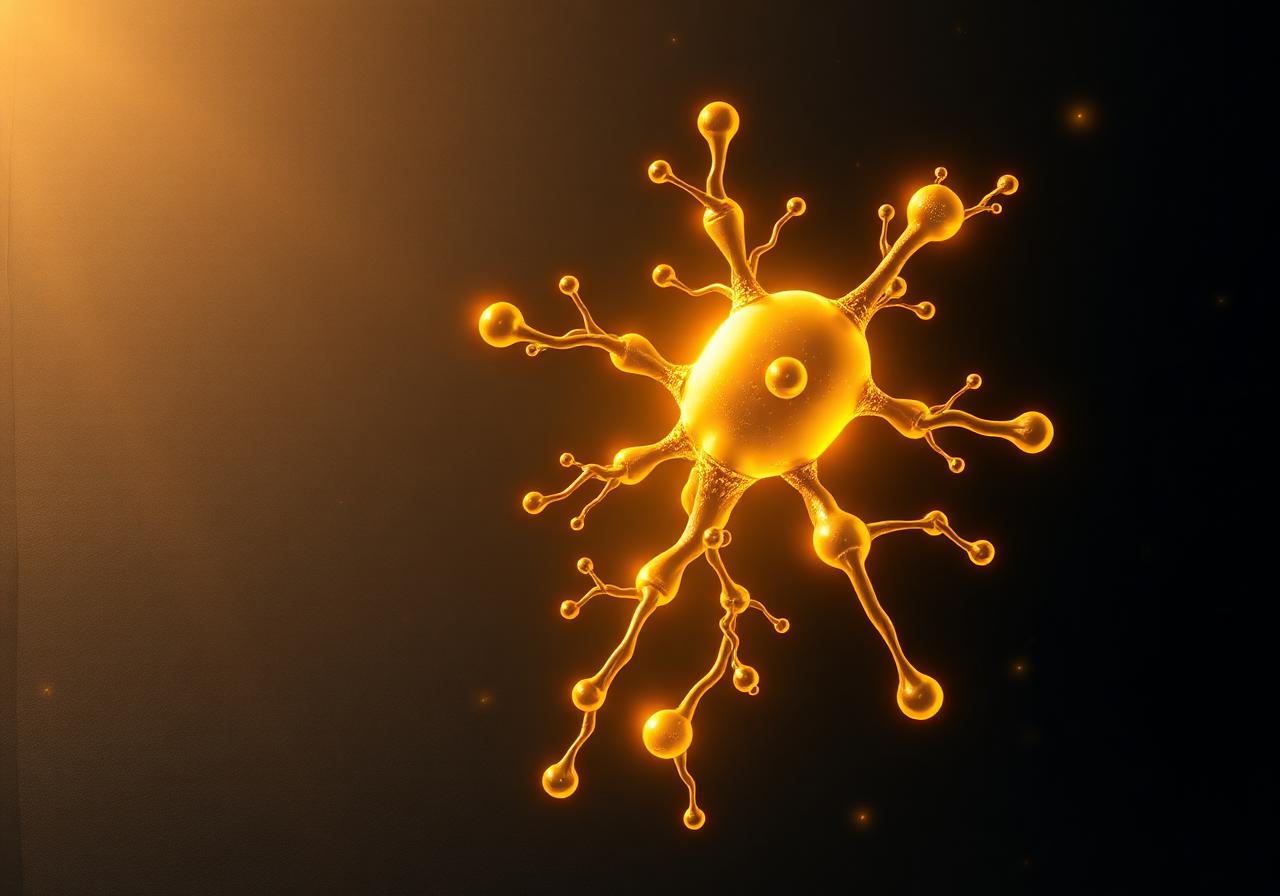
What is Humanin?
Humanin is a peptide that originates from the mitochondria, the energy-producing centers of the cell. It has been studied for its role in protecting cells from oxidative stress, apoptosis (cell death), and mitochondrial dysfunction. Humanin is of interest for its potential anti-aging properties, as it has been shown to protect neurons, improve insulin sensitivity, and support cardiovascular health. Research suggests that Humanin could be a key player in therapies aimed at preventing age-related diseases such as Alzheimer's, diabetes, and heart disease.
How does it work?
Humanin works by interacting with cellular pathways to reduce oxidative stress and prevent cell death. It protects cells from mitochondrial dysfunction, which is a key contributor to aging and many age-related diseases. Its neuroprotective, cardioprotective, and metabolic benefits make it a promising candidate for anti-aging research and longevity therapies.

The clinical case for Humanin.
Cellular Protection
Humanin helps protect cells from oxidative stress and apoptosis, which is crucial for maintaining cellular function and preventing age-related damage.
Neuroprotective Effects
Research has shown that Humanin has protective effects on neurons, potentially reducing the risk of neurodegenerative diseases like Alzheimer's and promoting brain health.
Improved Metabolic Health
Humanin may improve insulin sensitivity and glucose metabolism, offering potential benefits for preventing and managing metabolic disorders like diabetes.

The Science Behind Humanin
Humanin is a mitochondrial-derived peptide that plays a role in protecting cells from damage. It exerts its effects by interacting with various cell survival pathways, reducing oxidative stress, and preventing programmed cell death (apoptosis). Humanin has been studied for its ability to protect neurons, support cardiovascular health, and improve insulin sensitivity, making it a potential candidate for anti-aging therapies. Mitochondrial dysfunction is a major contributor to aging and many age-related diseases, and peptides like Humanin that support mitochondrial health are of great interest in longevity research.

Backed by peer-reviewed research. Framed for the practicing clinician.
Clinician questions on Humanin.
Humanin is primarily studied for its protective effects on cells, especially neurons, and its potential to prevent age-related diseases like Alzheimer's and diabetes.
Humanin is typically administered through injections in research settings, though more studies are needed to determine its ideal dosing and delivery.
There are currently no significant side effects reported in research studies, but as with any peptide, it should only be used under professional supervision.
Yes, Humanin has shown potential in protecting neurons from oxidative stress and apoptosis, which may help reduce the risk of diseases like Alzheimer's and Parkinson's.
No, Humanin is not FDA-approved and is currently available for research purposes only.
Results may vary depending on the condition being treated and individual physiology. Ongoing research is needed to better understand its efficacy and timelines.
The appropriate dosing approach for Humanin depends on the clinical objective, route of administration, formulation, individual patient factors, and the practitioner's treatment strategy. Because dosing varies significantly, there is no universally recommended protocol.
If you're looking to understand how clinicians determine peptide dosing, download our Peptide Dosing Guide & Clinical Calculator. It explains the core principles of peptide dosing, titration, reconstitution, and administration while providing educational examples for many of the most commonly used peptides.
Want the full clinical picture on Humanin?
Unlock every molecule, dosing protocol, and live class inside Inner Circle membership.
Continue exploring the library.
GHK-Cu
GHK-Cu is a naturally occurring peptide that plays a significant role in skin health, wound healing, and tissue regeneration. As one of the …
Gonadorelin
Gonadorelin is a peptide that stimulates the release of luteinizing hormone (LH) and follicle-stimulating hormone (FSH), playing a crucial r…
IGF-1 LR3
IGF-1 LR3 is a synthetic analog of insulin-like growth factor-1 (IGF-1). It is a modified version of the naturally occurring IGF-1, a peptid…
Cerebrolysin
Cerebrolysin is a peptide-based neurotrophic agent that supports brain health and cognitive function. It is studied for its potential to tre…
Dihexa
Dihexa is a neuropeptide known for its potential cognitive-enhancing and neuroprotective properties. It is being researched for its ability …

DSIP
Delta Sleep-Inducing Peptide (DSIP) is a calming and healing neuropeptide originally studied with slow-wave sleep. DSIP mimics the restorati…