
Dihexa Neurogenesis Research Explained
Dihexa is a neuropeptide known for its potential cognitive-enhancing and neuroprotective properties. It is being researched for its ability to promote neurogenesis (the growth of new neurons) and improve cognitive function, making it a promising candidate for neurodegenerative diseases and brain injury recovery.
What is Dihexa?
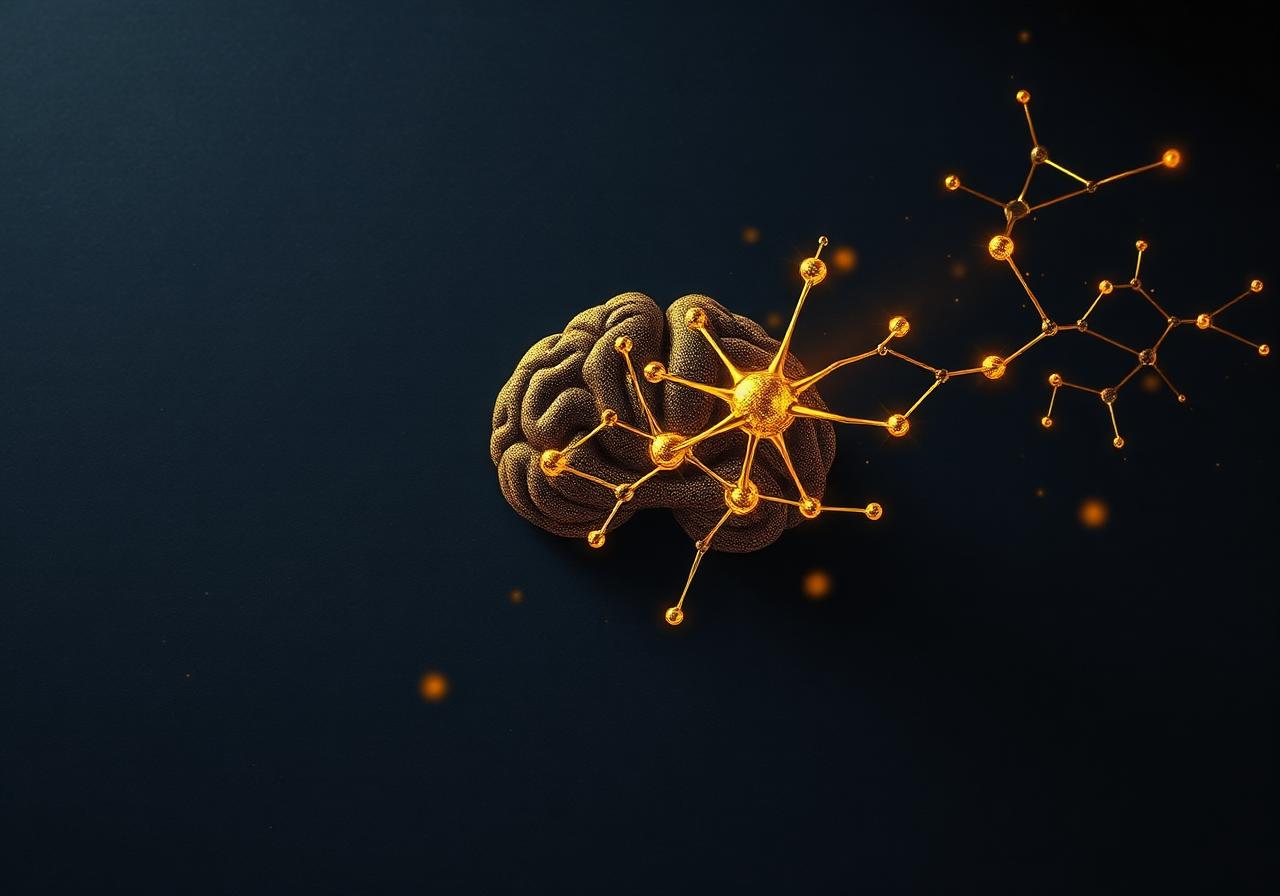
Dihexa is a small peptide designed to improve cognitive function by enhancing synaptic connectivity and promoting the growth of new neurons. Originally developed to treat neurodegenerative diseases like Alzheimer's, Dihexa has shown promise in improving learning, memory, and overall brain function. It is also being studied for its ability to repair brain damage and promote recovery from traumatic brain injuries and other cognitive impairments.
How does it work?
Dihexa works by crossing the blood-brain barrier and enhancing synaptic connections in the brain, which improves cognitive function. It also promotes neurogenesis, helping the brain grow new neurons and repair damage caused by aging or injury. These mechanisms make it a potential therapeutic for cognitive enhancement and brain health.

The clinical case for Dihexa.
Cognitive Enhancement
Dihexa has been shown to improve cognitive function, including memory, learning, and problem-solving abilities, making it a potential therapeutic for conditions like Alzheimer's disease.
Neurogenesis
Dihexa promotes the growth of new neurons in the brain, which can help repair cognitive damage caused by aging, injury, or neurodegenerative diseases.
Neuroprotective Effects
Research suggests that Dihexa has neuroprotective properties, helping to protect brain cells from damage and supporting overall brain health.

The Science Behind Dihexa
Dihexa is a synthetic peptide derived from angiotensin IV that crosses the blood-brain barrier and has potent effects on brain function. Unlike many cognitive enhancers, Dihexa directly promotes the formation of new synapses and strengthens existing ones, improving the brain's ability to process information and form new memories. It is also a potent neurogenic agent, encouraging the development of new neurons, which can help repair damage from aging, neurodegenerative diseases, or traumatic injuries. Studies suggest that Dihexa may be more effective than traditional treatments for Alzheimer's and other cognitive impairments because of its ability to enhance synaptic connections and neurogenesis at a much higher rate. Its neuroprotective properties make it a potential candidate for long-term brain health support and recovery.

Backed by peer-reviewed research. Framed for the practicing clinician.
Clinician questions on Dihexa.
Dihexa is primarily studied for its potential to improve cognitive function and promote brain repair in neurodegenerative diseases like Alzheimer's and in traumatic brain injury recovery.
Dihexa is typically administered orally or via injection, depending on the research protocol.
Research is still ongoing, but some studies suggest Dihexa is well-tolerated. However, long-term effects are still being studied, and it is important to consult with a healthcare provider before use.
Yes, Dihexa is being researched for its ability to improve memory by enhancing synaptic connections and promoting neurogenesis, which are crucial for cognitive function.
No, Dihexa is not FDA-approved and is currently available only for research purposes.
Results may vary, but some studies suggest cognitive improvements can occur within weeks of consistent use. However, more research is needed to fully understand the timeline for therapeutic effects.
The appropriate dosing approach for Dihexa depends on the clinical objective, route of administration, formulation, individual patient factors, and the practitioner's treatment strategy. Because dosing varies significantly, there is no universally recommended protocol.
If you're looking to understand how clinicians determine peptide dosing, download our Peptide Dosing Guide & Clinical Calculator. It explains the core principles of peptide dosing, titration, reconstitution, and administration while providing educational examples for many of the most commonly used peptides.
Want the full clinical picture on Dihexa?
Unlock every molecule, dosing protocol, and live class inside Inner Circle membership.
Continue exploring the library.

CJC-1295
CJC-1295 is a synthetic peptide that acts as a growth hormone-releasing hormone (GHRH) analog, stimulating the release of growth hormone in …

DSIP
Delta Sleep-Inducing Peptide (DSIP) is a calming and healing neuropeptide originally studied with slow-wave sleep. DSIP mimics the restorati…

Epithalon
A synthetic peptide crafted from four amino acids, Epithalon is modeled after the natural epithalamin produced by the pineal gland and is de…
Cerebrolysin
Cerebrolysin is a peptide-based neurotrophic agent that supports brain health and cognitive function. It is studied for its potential to tre…

Humanin
Humanin is a mitochondrial-derived peptide that has been studied for its protective effects on cells, particularly in reducing oxidative str…

PEA
PEA (Palmitoylethanolamide) is a naturally occurring fatty acid amide that has shown potential in reducing pain and inflammation. It's often…