
BPC-157 Protocols, Routes and Safety Notes
Founded in scientific inquiry, BPC-157 is a peptide celebrated for its proven tissue healing properties. Derived from a natural peptide in the human stomach, our formulation is designed for enhanced recovery in muscles, tendons, and ligaments-ideal for athletes and those recuperating from injuries. Beyond tissue repair, BPC-157 demonstrates potential benefits for gastrointestinal health, offering support in conditions like ulcers or inflammatory bowel disease. Preliminary research suggests its role in promoting nerve health and aiding recovery from nerve injuries. With anti-inflammatory properties, BPC-157 becomes a potential ally against inflammatory conditions, contributing to the overall healing process. Embrace the science-backed promise of BPC-157 for comprehensive health and wellness.

What is BPC-157?
BPC-157 is a synthetic peptide fragment derived from a protective protein naturally found in human gastric juice. Composed of 15 amino acids, it is studied for its regenerative properties across muscle, tendon, ligament, nerve, and gastrointestinal tissue, and is widely used in clinical protocols targeting injury recovery, inflammation, and gut health.
How does it work?
BPC-157 may work through multiple mechanisms. These include promoting the synthesis of nitric oxide, which helps in wound healing and blood flow, stimulating the production of growth factors that aid in repair processes, and potentially inhibiting inflammatory responses. It's thought to activate the processes responsible for tissue repair and has been shown to have systemic effects in animal studies, even when ingested orally.
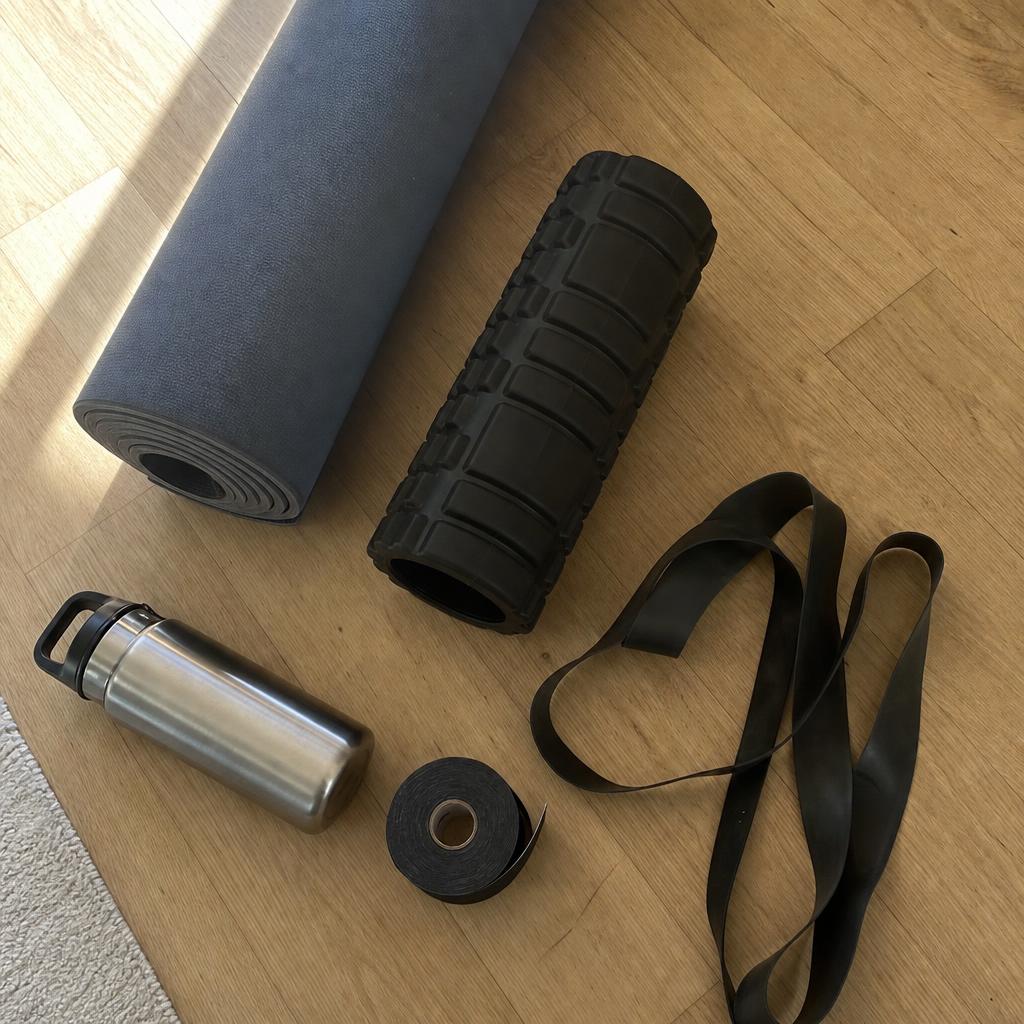
The clinical case for BPC-157.
Accelerated Tissue Repair
BPC-157 has demonstrated potential in speeding up the healing of various tissues, including muscles, tendons, and ligaments, making it an excellent choice for athletes and individuals recovering from physical injuries.
Gastrointestinal Health
Originating from a stomach peptide, BPC-157 showcases potential benefits in promoting gastrointestinal health, possibly aiding in conditions like ulcers or inflammatory bowel disease.
Neuroprotective Effects
Preliminary research indicates that BPC-157 may play a role in promoting nerve health and could aid in the recovery of nerve injuries.
Anti-Inflammatory Properties
BPC-157 may help modulate inflammation, making it a potential ally against inflammatory conditions and aiding in the overall healing process.
Versatile Application
Whether you’re dealing with physical injuries, post-surgery recovery, or looking for enhanced overall wellbeing, BPC-157 can be a promising addition to your health regimen.
Backed by Research
Rely on a peptide that’s not just a product of chance, but one anchored in scientific inquiry. Multiple studies have delved into the properties and potential benefits of BPC-157, highlighting its promise in the realm of health and wellness.

The Science Behind BPC-157
The science behind BPC-157 is largely centered on its reported regenerative effects, particularly its ability to accelerate the healing of various tissues. As a sequence of amino acids, BPC-157 is thought to be derived from a protein in the stomach, which has led to its exploration for gastroprotective effects. The peptide has been observed to promote angiogenesis, the process of new blood vessel formation, which is a critical component of tissue repair. It's also believed to regulate the production of growth factors, contribute to the upregulation of gene expression involved in collagen formation, and modulate nitric oxide synthesis, all of which are important processes in wound healing and recovery from injury.

Backed by peer-reviewed research. Framed for the practicing clinician.
Clinician questions on BPC-157.
BPC-157 should be stored in a cool, dry place before reconstitution. After mixing with bacteriostatic water, it should be kept refrigerated to maintain its stability and potency. Always follow the storage instructions provided by the manufacturer.
Users of BPC-157 may expect to see improvements in the healing injuries, reduced inflammation, and faster recovery times after starting.
BPC-157 is generally reported to have a high safety profile in animal studies, with few to no significant side effects at commonly used dosages. However, due to the lack of comprehensive human trials, all potential side effects may not be known. Anecdotal reports suggest possible side effects including mild gastrointestinal discomfort or, very rarely, headache.
While BPC-157 is not directly known to enhance athletic performance, its potential benefits in speeding up recovery from inquiries help athletes return to training more quickly. However, it should be noted that the use of peptides for performance enhancement can be controversial and is banned in competitive sports under many anti-doping agencies.
The appropriate dosing approach for BPC-157 depends on the clinical objective, route of administration, formulation, individual patient factors, and the practitioner's treatment strategy. Because dosing varies significantly, there is no universally recommended protocol.
If you're looking to understand how clinicians determine peptide dosing, download our Peptide Dosing Guide & Clinical Calculator. It explains the core principles of peptide dosing, titration, reconstitution, and administration while providing educational examples for many of the most commonly used peptides.
Want the full clinical picture on BPC-157?
Unlock every molecule, dosing protocol, and live class inside Inner Circle membership.
Continue exploring the library.
AOD-9604
AOD is often at the front lines of any weight loss journey, employing the HGH fragment 176-191 peptides to burn fat directly. Boosting fat-b…

Tirzepatide
Tirzepatide combines both the Semaglutide properties along with a GIP receptor that helps the body control blood sugar levels and helps you …
Semaglutide
Take a comprehensive approach to your health goals with Semaglutide, a GLP-1 analog that encourages insulin production and decreases appetit…
FOX-04-DRI
FOXO4-DRI is a peptide that targets senescent cells, helping to promote cellular health and reduce the effects of aging. It is studied for i…
GHK-Cu
GHK-Cu is a naturally occurring peptide that plays a significant role in skin health, wound healing, and tissue regeneration. As one of the …

KPV
KPV is a peptide known for its potent anti-inflammatory properties. It is primarily used to reduce inflammation, and promote skin healing, a…