
Precision Peptide Medicine
Using Metabolomics to Personalize Clinical Care
Sponsored by Theriome
Featuring Paniz Jasbi, PhD, Co-Founder & Chief Scientific Officer of Theriome, and Alex Mohr, PhD, Co-Founder & Director of Microbiomics at Theriome.
Featured Speakers
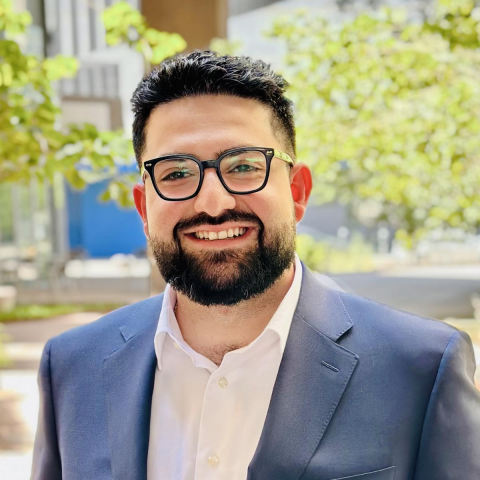
Paniz Jasbi, PhD
Co-Founder & Chief Scientific Officer, Theriome
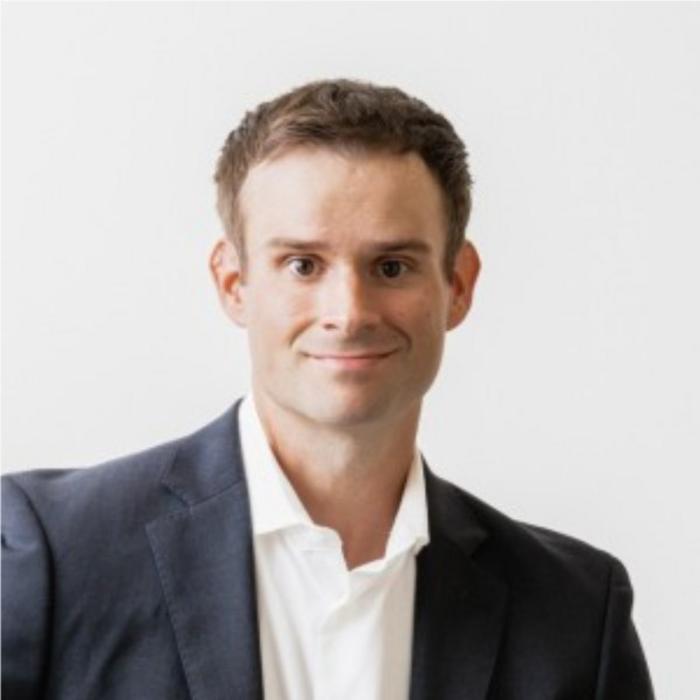
Alex Mohr, PhD
Co-Founder & Director of Microbiomics, Theriome
This event has ended. Replay access will be available soon.
Featured Speakers
Two scientists translating metabolomics into clinical practice
Paniz Jasbi, PhD
Co-Founder & Chief Scientific Officer, Theriome
Dr. Jasbi trained in systems biology and mass spectrometry-based metabolomics at Arizona State University, where his doctoral and postdoctoral research focused on integrative omics analysis and machine learning informatics. He co-founded Theriome to translate advanced metabolomic science into practical tools for clinicians, and serves as Director of Metabolomics for the American Board of Personalized Medicine.
Alex Mohr, PhD
Co-Founder & Director of Microbiomics, Theriome
Dr. Mohr's work integrates multi-omics and systems biology to advance precision medicine, with a research focus on the relationships between the gut microbiome, host metabolism, and health outcomes. He works directly with practitioners applying precision health and nutrigenomics in clinical care.
What if the peptide isn't the problem?
You've selected the right molecule.
You've built the right protocol.
Your patient is following the plan.
Yet progress stalls. Response is inconsistent. Two patients on the same protocol get two very different results.
And the question most practitioners ask is:
"Should I change the peptide?"
But what if that's the wrong question?
Because peptide selection is only half the equation. The other half is the patient's underlying metabolic terrain. The biochemical individuality that determines how, and how well, a given protocol will actually perform in that specific patient.
Without that data, protocol design is an educated guess. With it, it becomes something closer to precision.
Why now
A Critical Conversation for Today's Peptide Practitioner
As peptide therapy continues to expand across regenerative medicine, longevity, performance optimization, and functional medicine, clinicians are running into a familiar challenge:
Why do two patients on the same protocol get two different outcomes?
The answer often lies beneath the protocol itself. In each patient's unique metabolic baseline, biochemical pathways, and physiological response patterns. Standard labs weren't built to capture that picture. Metabolomic testing was.
In this special clinical masterclass, Paniz Jasbi, PhD and Alex Mohr, PhD explore how metabolomic data is changing the way precision clinicians select, dose, and monitor peptide therapy.
What You'll Discover
Inside the Protocol × Physiology Framework
During this training, you'll explore the emerging framework of Protocol × Physiology, and why metabolic data may be essential to consistent peptide outcomes.
Why peptide protocols built on population averages can underperform for individual patients
How metabolomic testing reveals biochemical imbalances that standard labs miss
How to use metabolic data to establish a meaningful clinical baseline before starting therapy
How to monitor treatment response at the biochemical level, not just symptom level
Why metabolic individuality, not just diagnosis, should inform peptide selection
Real-world case examples of metabolomics guiding protocol adjustments
Practical strategies for incorporating metabolomic testing into everyday clinical workflow
The clinical thinking behind a data-driven approach to precision peptide medicine
The Framework
Protocol × Physiology
The Protocol
What most practitioners focus on
- Which peptide?
- What dose?
- What sequence or stack?
The Physiology
What decides if the protocol actually works
The same protocol delivered to two different metabolic environments can produce two very different outcomes. One patient's biochemistry supports the plan. Another's is working against it, and without testing, there's no way to know which is which in advance.
The protocol matters. But the physiology underneath it matters just as much.
Who Should Attend
Designed for clinicians who take peptide medicine seriously
Whether you're already using peptides or exploring their role in clinical practice, this training will give you a practical framework for using metabolic data to personalize protocols and improve consistency of outcomes.

Why This Matters Now
The future of peptide medicine belongs to clinicians who understand both sides of the equation
Patient demand for peptide therapies continues to accelerate. At the same time, practitioners are realizing that outcomes are rarely determined by molecule selection alone.
The protocol, and the physiology receiving it.
Because better outcomes often require more than the right molecule. They require the right data.
Less guesswork.
More baseline.
Less trial and error.
More precision.
Less one-size-fits-all.
More personalized.
What You'll Be Able to Do Afterward
By the end of this masterclass, participants will be able to:
Explain the Protocol × Physiology framework and its relevance to peptide therapy
Understand the role of metabolomics within precision and systems medicine
Identify how metabolomic testing can complement peptide therapy and functional medicine protocols
Utilize metabolic data to establish personalized baseline assessments and monitor treatment response
Apply metabolomic findings to support individualized clinical decision-making
Review real-world clinical cases demonstrating metabolomics integrated into peptide practice
Explore practical strategies for incorporating advanced metabolomic testing into everyday clinical practice
Join Us Live
This is not a conversation about adding more interventions.
It's about knowing which interventions will actually work for this patient.
Join Paniz Jasbi, PhD and Alex Mohr, PhD for an advanced clinical masterclass on metabolomics, biochemical individuality, and the future of precision peptide medicine.
This masterclass is free to attend. Register to save your seat and receive the join link by email.
FAQ